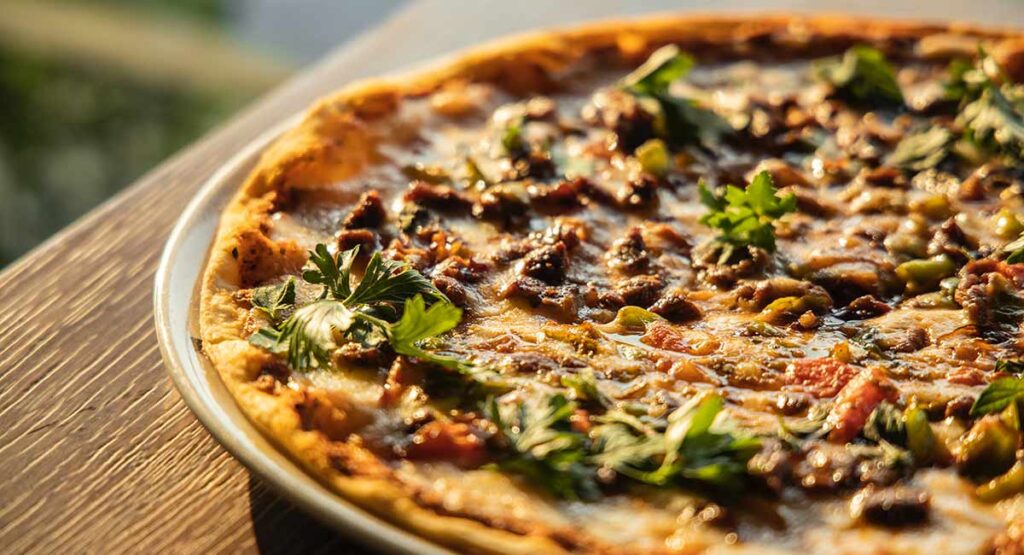
Home Fries VS Hash Browns
The home fries vs hash browns debate sounds trivial until you’re sitting at a Shore diner counter at 9am with a cup of coffee in front of you and two kids arguing about it across the table. It’s a small thing, but if you’ve ever ordered wrong and watched someone else’s plate come out better than yours, you know it matters more than it should.
Every summer at the Shore, we end up at a diner at least twice, usually on a rainy day when the beach isn’t calling, sometimes just because it’s Tuesday and someone wants pancakes. And every time, without fail, someone at the table has to make a decision: home fries vs hash browns?
If you’ve ever stared at that choice and second-guessed yourself, this one’s for you.
What Are Home Fries?
Home fries are cubed or sliced cooked potatoes, usually par-boiled first, then thrown in a pan with a little oil or butter until they get some color. At most Jersey Shore diners, you’ll get them tossed with diced onions, sometimes green pepper, and a good amount of salt. They come out soft in the middle with crispy edges on the good days, kind of sad and steamy on the bad ones.
The name gives away what they are: the kind of potatoes you’d make at home if you had last night’s boiled potatoes sitting in the fridge and a cast iron pan on the stove. They’re not fancy. They’re not supposed to be.
What makes them different from hash browns starts with the cut. Home fries keep their shape, you’re eating actual chunks of potato, not a pressed patty or a pile of shreds.
What Are Hash Browns?
Hash browns are shredded or grated raw potato, pressed down and cooked until they form a flat, crispy cake or a loose pile of golden strings. The exterior is crunchy in a way home fries usually aren’t. The interior should be soft, but barely, good hash browns are almost entirely crust.
The word “hash” comes from the French hacher, meaning to chop. At a diner, you’re getting either the pressed patty version (think Waffle House, or the kind you find at a fast food drive-through) or a loose pile that’s cooked on the flat-top until it’s mostly brown and crispy. The loose version is more common at actual sit-down diners, and it’s the one that has a shot at being really good.
The big difference between hash browns and home fries isn’t just the cut — it’s the texture. Hash browns lead with crunch. Home fries lead with softness and flavor from whatever they were cooked with. Fun fact: hash browns appear in American cookbooks as far back as the 1890s.
The Difference Between Hash Browns and Home Fries
When people search home fries vs hash browns, they usually want one clear answer. Here it is:
- Home fries: chunks or slices of cooked potato, soft inside, pan-fried with onions and sometimes peppers, served as a pile or spread
- Hash browns: shredded raw potato, pressed or loose, cooked until crispy and golden
The most important difference between hash browns and home fries is how they’re made at the start. Home fries use pre-cooked potato. Hash browns use raw, grated potato. That one decision creates almost every other difference you can taste — texture, crispiness, the way they absorb salt and butter, all of it.
At most diners, home fries are cooked to order in a pan. Hash browns are made on the flat-top. Both can be great. Both can be terrible. It mostly depends on the cook and how hot the surface is.
What You’re Getting at Jersey Shore Diners
The home fries vs hash browns split at Shore diners isn’t even close — most places default to home fries. If you order eggs and potatoes without specifying, you’re almost certainly getting home fries: chunky, well-seasoned, coming out in a little hill next to your eggs.
At places like the Surf Club in Seaside Park or the Silver Gull down the shore, the home fries tend to be the standard breakfast side, and at a good diner, they’ll have a little char on the outside that makes them worth eating before anything else on the plate cools down.
Hash browns are on the menu at most places, but they’re usually listed separately, sometimes with a small upcharge, and they’re a special request rather than the default. If you specifically want crispy hash browns, it’s worth saying so when you order — and asking for them extra crispy, because diners often pull them a little early.
Some of the breakfast spots along the Shore will also do home fries or ‘hash browns home fries’, which is basically the best of both, where they use the shredding technique but cook them loose so you get the crispy edges without the patty shape. Not everywhere does this, but when you find it, it’s usually what you want.
Which One Is Healthier?
The home fries vs hash browns nutrition question comes up more than you’d think. The short answer: they’re pretty similar, and neither one is a health food.
Both are made from potatoes, which on their own are reasonably nutritious — potassium, vitamin C, fiber if you keep the skin. The difference comes in how much oil or butter gets used and what gets added.
Home fries, because they’re cooked in a pan and often have onions cooked down with them, tend to soak up more fat during cooking. Hash browns cooked on a flat-top can actually end up lighter if the grill is hot enough and they’re not sitting in a pool of butter — though that’s not always how it goes.
Neither is going to ruin your vacation. Both are better than the alternatives at a rest stop on the Parkway.
Calorie-wise, a typical diner serving of home fries runs around 200–300 calories depending on portion size and oil used. Hash browns in the patty form come in lower, usually around 130–160 calories for a single patty, because they’re smaller. Loose hash browns at a diner are often a bigger portion and land closer to home fries in the end.
If you’re really watching what you eat, either one is fine — just don’t add cheese, and skip the extra butter. Or eat at the beach all day and not worry about it.
So Which Should You Order?
Depends what you want out of your breakfast. The home fries vs hash browns call is really a texture call more than anything else.
If you want something that tastes like Saturday morning, like something someone’s mom would make in a big pan after a morning at the beach — home fries. They’re warmer, more savory, and they hold their heat longer. They’re also better for soaking up runny egg yolk, which is the correct way to use breakfast potatoes.
If you want crunch — and specifically that satisfying, crispy, almost-burnt-at-the-edges crunch — hash browns. But only if the diner does them well. A soft hash brown is a disappointment in a way that a soft home fry never is, because home fries aren’t supposed to be crispy all the way through. Hash browns are.
When we’re at a new diner for the first time, we go home fries until we know the place. They’re harder to mess up. And a bad hash brown is a sadder thing than a mediocre home fry — there’s just less to fall back on when the crunch isn’t there.
The home fries vs hash browns question also depends on what else is on your plate. Home fries next to eggs, toast, and bacon make a complete, cohesive plate. Hash browns next to the same spread can feel like a lot of competing textures. If you’re doing a full diner breakfast, home fries tend to hold the plate together better. If you’re getting just eggs and potatoes, hash browns are the move.
FAQ
Are home fries the same as hash browns?
No. Home fries are made from pre-cooked potato cut into chunks or slices, pan-fried with onions and seasoning. Hash browns are shredded raw potato cooked until crispy, either as a pressed patty or a loose pile. The texture, cooking method, and end result are all different, even though both are potato-based breakfast sides.
Which came first, home fries or hash browns?
Both have been around since at least the late 1800s. Hash browns — or “hashed brown potatoes” — appear in American cookbooks from the 1890s, around the same time home fries were being made in home kitchens as a way to use leftover potatoes. They developed roughly in parallel as diner culture grew in the early 20th century.
Why do diner hash browns sometimes taste different from the frozen kind?
Frozen hash browns (the kind in the orange box) are partially cooked before freezing, which changes their texture. Diner hash browns made from fresh grated potato will have a different — usually better — potato flavor if made correctly. The frozen kind can be fine for convenience at home, but they’re not the same product.
Can you make home fries from raw potatoes?
Technically yes, but you’ll spend twice as long cooking them and they often end up unevenly done — crispy on the outside, still raw in the middle. Par-boiling or baking the potatoes first, then cutting and pan-frying, is how you get that soft interior and crispy exterior that makes home fries worth eating.
The Bottom Line
The home fries vs hash browns debate isn’t really about which one is better — it’s about what kind of morning you’re having. Hash browns when you want crunch and speed. Home fries when you want comfort and something that plays well with everything else on the plate.
At the Shore, you’re probably getting home fries by default. And honestly? That’s usually the right call.
If you’re planning a Jersey Shore trip and want a base that makes mornings like this possible, take a look at our Seaside Heights rental at Shoreside Village — four bedrooms, a full kitchen, and enough balcony space to eat breakfast outside. We’re available for weekly rentals starting in late June.
THE AUTHOR
I have spent my whole life going to and loving the beach. I am a wife, a mom of 2, and a business leader with an MBA in Marketing from Seton Hall University. We have owned a home in Seaside Heights since 2012, and I have been writing about Seaside Heights and the beach for the past 10 years. I love discovering new things about our town and helping you make the most of your vacation. The only thing I love more than writing about Seaside Heights is being there!


Parking in Seaside Heights: What You Need to Know Before You Arrive
Crabbing in Seaside Heights: Tips, Spots & Rules for 2026
2026 Cheap Motels in Seaside Heights NJ
Explore Seaside Heights Boardwalk Restaurants 2026

The Seaside Heights Carousel, 114+ Years Old And Fully Restored
10 Tips for Your Seaside Heights Family Vacation on a Budget

Kohr Brothers Frozen Custard at Seaside Heights: A Shore Tradition Since 1923
Guide to 3 Irresistible Types of Lobster Rolls in Seaside Heights